

Netflix One Piece Season 2: Into the Grand Line comes in hotter, sharper, and more confident. Season 1 proved the live-action gamble could work. Season 2 proves it can grow. The production value jumps. The writing tightens. The performances deepen. Most importantly, the cast feels locked into the essence of these characters. That connection makes every remix, reorder, and adaptation change land with far more grace.
A Clear Quality Leap Across The Board
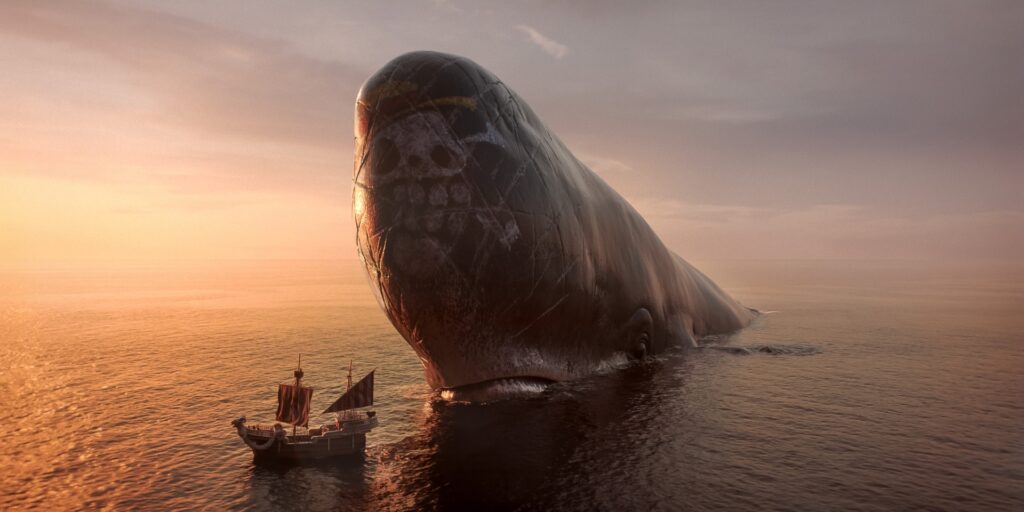
Season 2 looks like a show that knows it earned your attention. It spends that trust wisely. The sets feel bigger and more tactile. The wardrobe pops without feeling like cosplay. The direction feels steadier in tone and tempo. The scripts also show more discipline. Scenes start quicker, hit harder, and exit cleaner.
That matters because this stretch of One Piece asks for range. It wants slapstick and sorrow. It wants wonder and dread. It wants creatures, conspiracies, and character trauma in the same breath. Season 2 handles that challenge with more control than you would expect.
The Straw Hats Feel Like The Straw Hats
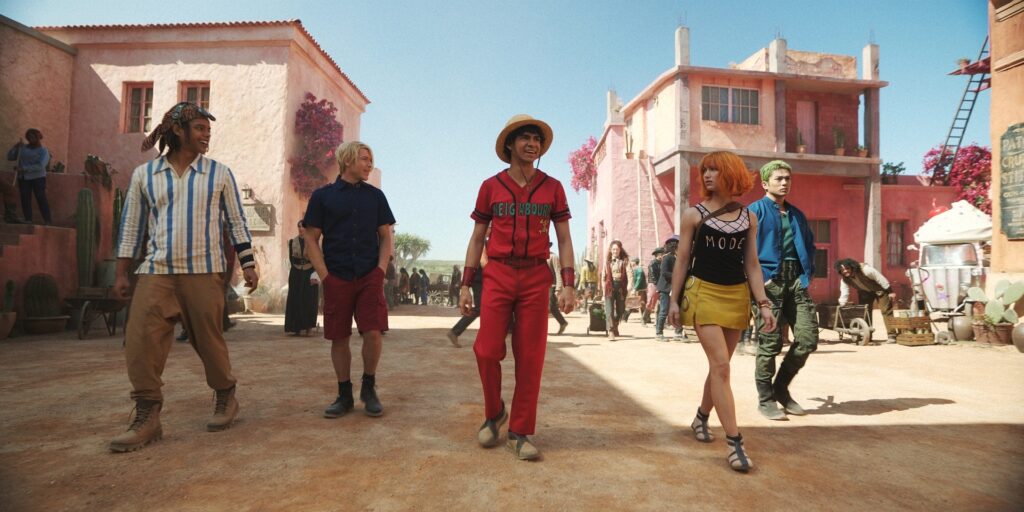
Iñaki Godoy’s Luffy remains the beating heart of the whole machine. He plays optimism as an act of will, not a lack of awareness. He listens like a real captain. He also refuses to quit like a real lunatic. Godoy sells Luffy’s kindness as strength, which keeps the crew’s tone honest.
Mackenyu’s Zoro continues to sharpen. He keeps the stoicism, but adds warmth underneath it. His loyalty reads in how he stands near Luffy. It also reads in how he watches the room. The sword work stays crisp and physical. It also feels more character-driven now.
Emily Rudd’s Nami grows into the season’s quiet MVP energy. She plays competence with bite, then lets vulnerability leak through at the worst times. That contrast makes her feel real. She never becomes a device. She stays a person navigating survival and trust.
Jacob Romero Gibson’s Usopp gets stronger with each episode. He lands jokes without turning into a joke. He makes fear feel honest, then chooses courage anyway. That balance is the whole point of Usopp. Gibson gets it.
Taz Skylar’s Sanji keeps the sauce. He plays charm as both armor and invitation. He sells pride without turning it into arrogance. He also nails the tenderness that makes Sanji more than a flirt. His fighting style stays clean and readable, which helps every action beat.
Baroque Works Expands The World of One Piece With Real Threat
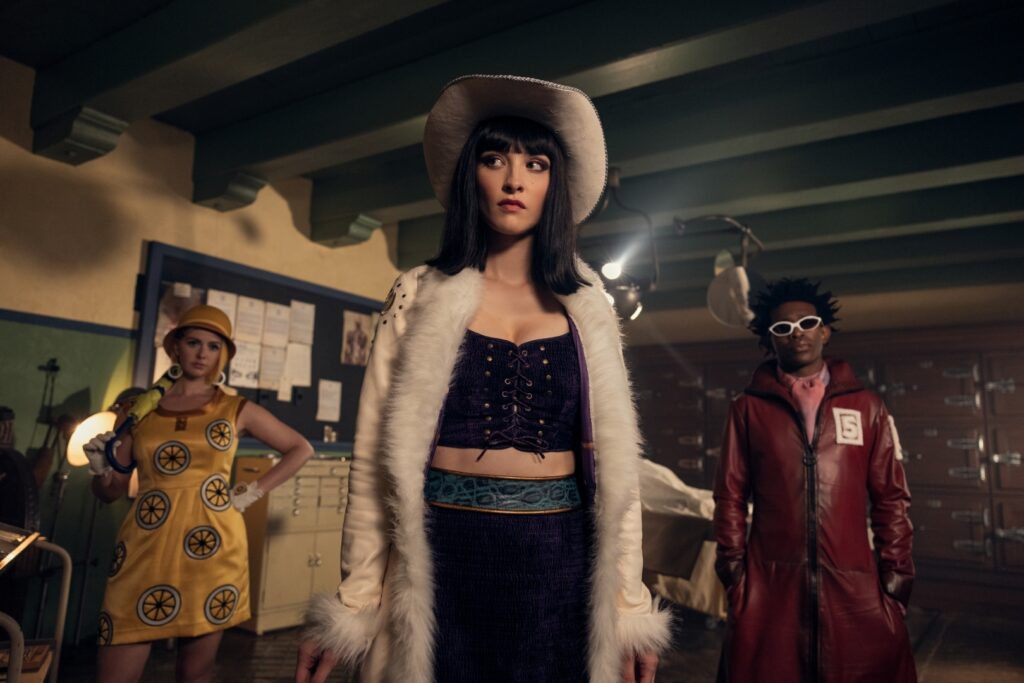
Baroque Works arrives as a story engine, not just a new villain group. The organization makes the Grand Line feel organized and predatory. You feel the system moving behind the scenes. That shift adds tension to everything. It also gives the season a satisfying sense of escalation.
The season threads new threats with smart restraint. It does not rush to explain everything. It lets mystery hang. That approach makes the world feel bigger than the Straw Hats. It also makes the Straw Hats feel smaller in a good way.
When the show introduces agents and operatives, it also gives them flavor. Their presence signals that the Grand Line runs on power structures. You can feel consequences building. The story becomes more than island-to-island hijinks. It becomes momentum.
Little Garden And Drum Island Feel Like Real Places

The production design deserves a standing ovation for sheer ambition. Little Garden sells scale and myth. The environment feels ancient, dangerous, and alive. It also carries a playful sense of discovery. The season makes it feel like the crew stepped into a storybook that can bite.
Drum Island looks incredible for a different reason. It mixes harsh weather with cozy warmth. The sets, textures, and lighting make the island feel both hostile and inviting. That contrast fits the arc perfectly. The location becomes an emotional amplifier.
Across both arcs, the show nails one key trick. It makes the world feel physical. You can sense the cold. You can sense the mud. You can sense the weight of wood and metal. That grounded feel helps the fantasy land harder.
Kureha, Hiruluk, Wapol, And Chopper Hit Like A Emotional Combo
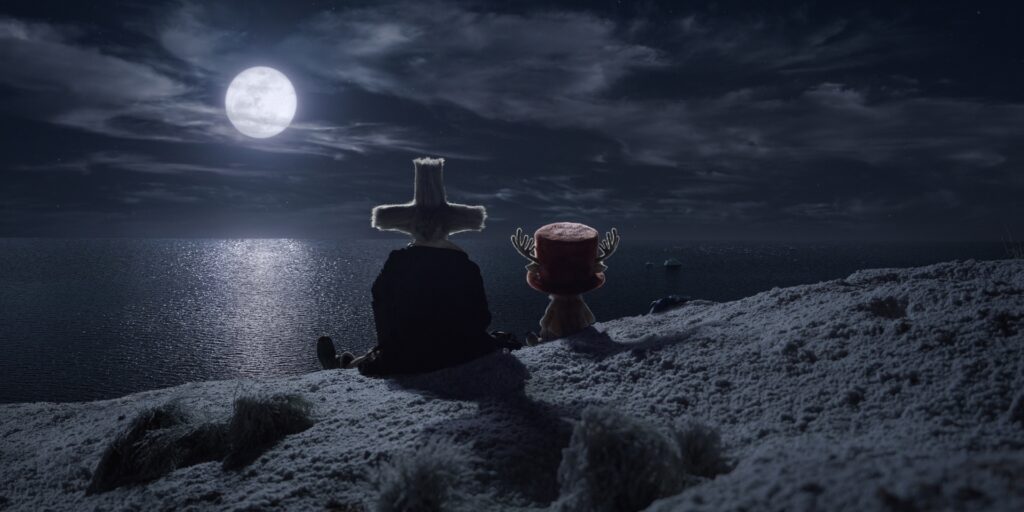
Katey Sagal’s Kureha brings swagger, sharpness, and unexpected warmth. She feels dangerous in the way only a brilliant old doctor can. She also feels funny without turning into a cartoon. The performance lands because Sagal treats Kureha like a person, not a meme.
Mark Harelik’s Hiruluk delivers the kind of sincerity that makes One Piece sting. The show lets his philosophy sit in the room. It lets it hurt. It also lets it heal. Those scenes carry weight that lingers after the episode ends.
Rob Colletti’s Wapol brings the right kind of hateable. He feels ridiculous, yet still threatening. The show uses him as a symbol of selfish power. It also uses him as an obstacle that forces real choices.
Chopper lands as a genuine win for the season. The show treats him like a character with pain and longing. It does not treat him like a mascot. His presence expands the crew’s emotional range. It also expands the world’s moral texture. That matters.
Fight Choreography That Respects Bodies And Powers
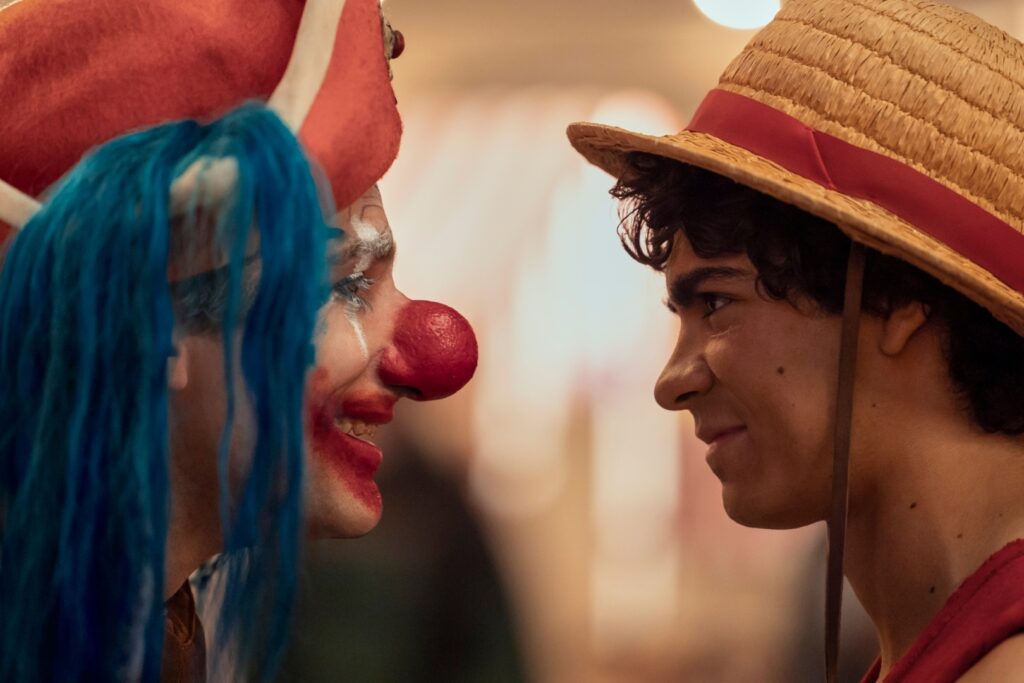
Season 2’s action feels more intentional. The choreography builds around identity. Zoro’s swordplay stays brutal and clean. Sanji’s kicks snap with rhythm and precision. Nami’s movement reads tactical. Usopp’s moments feel earned. Even the chaos beats feel staged with clarity.
The show also gets better at blending physical and magical elements. It does not rely on random flashes. It builds sequences around logic, timing, and character choices. That approach keeps fights exciting and readable.
A Few Tone Wobbles, Plus Some Rubbery Hiccups
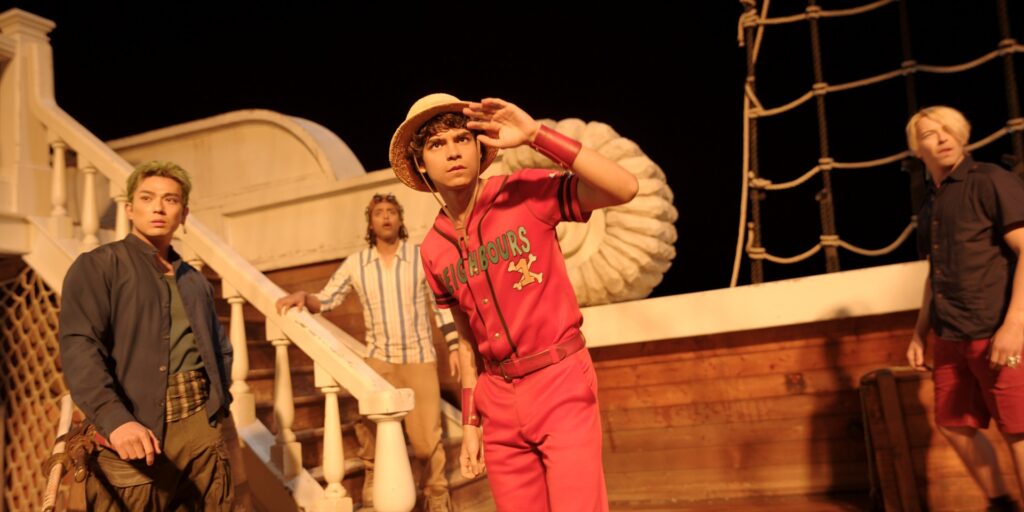
If you’re looking for reasons to not enjoy the series, this season still wrestles with camp. Sometimes it grounds scenes with real emotion. Sometimes it leans into off-the-wall cartoon energy. Then it drops a burst of mature language. It mostly works, but the blend can feel uneven.
Luffy’s powers also look inconsistent. The effects never look awful. They just do not always look as cool as fans expect. The anime and manga set a very specific bar. Season 2 gets close often, but not always. I wanted a few more moments where the stretch looks truly slick and iconic.
The Secret Weapon of Netflix’s One Piece Is Pacing And Emotional Weight
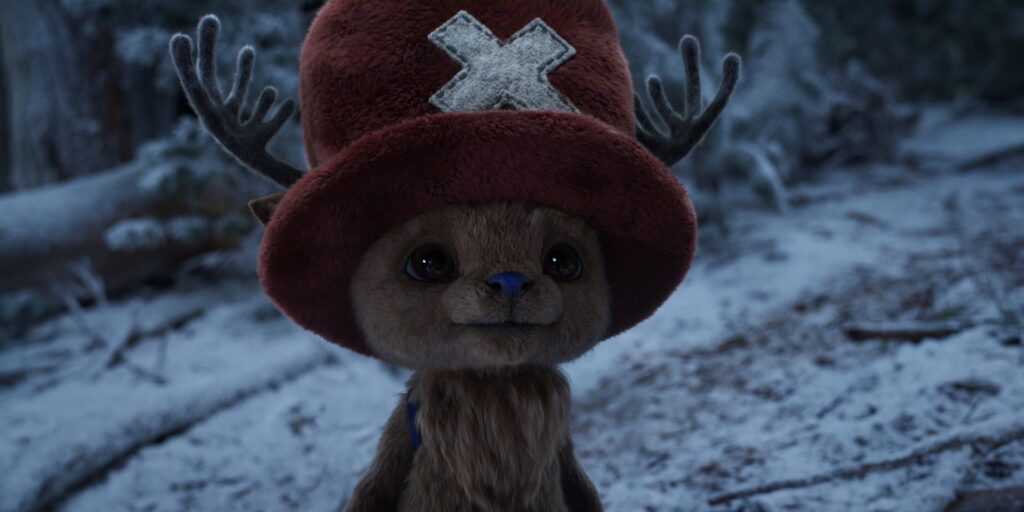
Here is where Season 2 truly wins. It moves. It does not drag. It does not stall for filler. It also does not sprint past the feelings. It threads drama through momentum.
This season is currently the best paced official version of the story outside the manga. I will die on that hill. The anime has incredible highs, but it can be hard to push through with those ridiculous 18-minute recaps. Season 2 trims the fat and keeps the soul. It hits key beats, then moves forward with purpose.
Even better, the show nails the emotional roller coaster One Piece is famous for. It builds dread and hopelessness, then answers with hope and triumph. It earns tears without emotional blackmail. Many viewers will cry this season. Many will also question how a whale made them cry that wasn’t named Willy. Then they will cry again when they see pure emotional pain coming from a CGI reindeer.
That is the magic of One Piece. It makes sincerity feel brave. Season 2 understands that. It leans into it. The result feels bigger than a pirate adventure. It feels like a story about chosen family fighting through a world designed to crush them. For that, and for somehow breaking the live action curse again, I give Netflix One Piece Season 2: Into the Grand Line a
9/10
Netflix One Piece Season 2: Into the Grand Line premieres on Netflix on March 10, 2026. Netflix drops all eight episodes at once, so you can binge or pace yourself. I suggest a two-night binge. Give Little Garden its own night. Then let Drum Island wreck you properly.
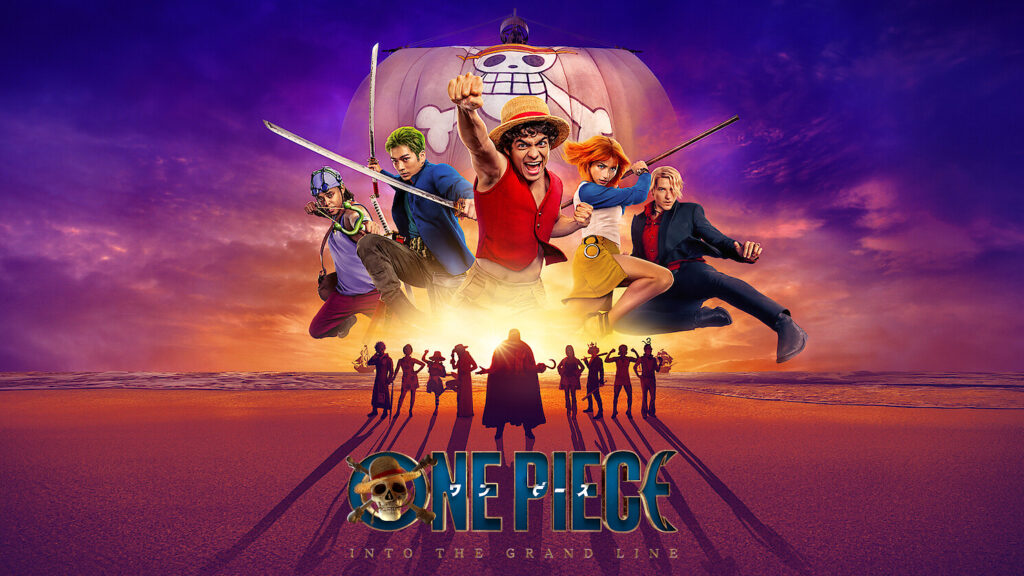
Ready to set sail with the Straw Hats into the Grand Line? Which Straw Hat performance are you most excited to see level up this season? Which moment do you think will break you first, Little Garden chaos or Drum Island heartbreak? Tell me in the comments or @me.


![The Life List Delivers Genuine Heart and Humor [REVIEW]](http://18.211.146.234/wp-content/uploads/2025/03/AAAABcxYSMkBQu9UIXlF4K8ER9MQXQCsClej9l108c4YIZlr-EoYhZtjKHMCH082aJ7r1COkrikLkHsYIe-HAdntYixVNVNDrpzSZj5OgXWPWM0DgAfZgRNCrzeDMXqCZ7JtjFSeHA-440x264.webp)
![You Hurt My Feelings Is Another Triumph for Nicole Holofcener [Review]](http://18.211.146.234/wp-content/uploads/2023/05/350355420_1613549392474769_2545415801339721478_n-440x264.jpg)
 That Hashtag Show
