
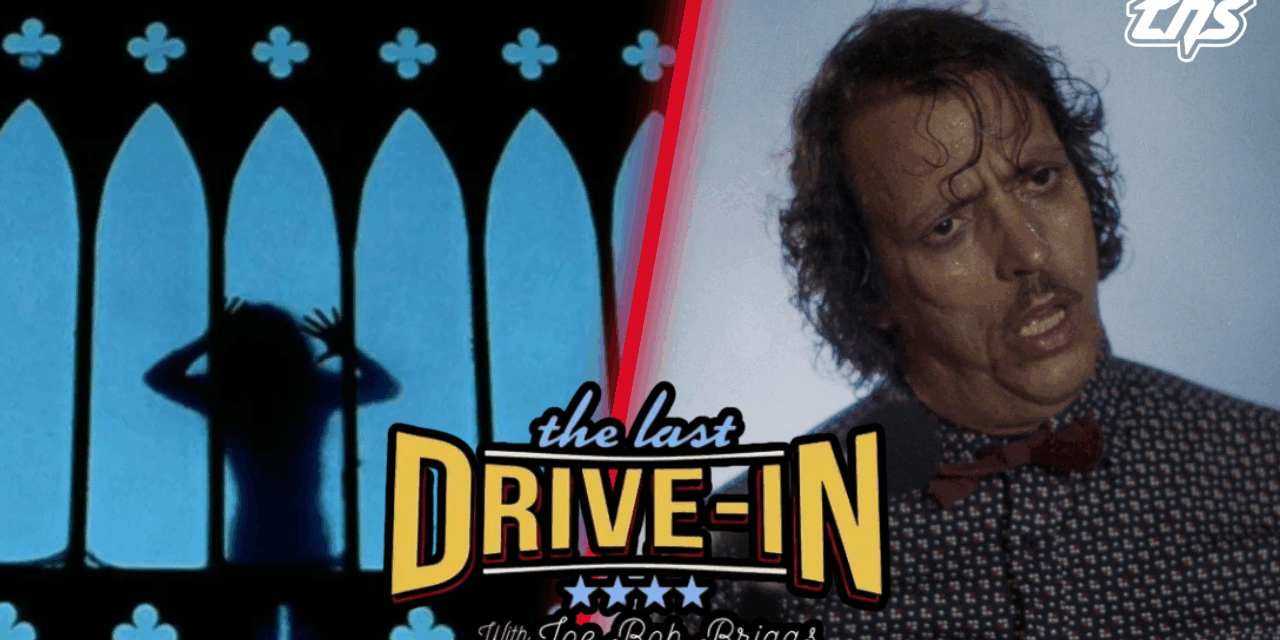
Joe Bob Briggs and Darcy the Mail Girl returned to send off The Last Drive-In with a strange but surprisingly effective double feature pairing Messiah of Evil (1973) with The Last Horror Film (1982). It is the kind of programming choice that works for a series finale because it perfectly encapsulates what The Last Drive-In has always represented.
The pairing is odd at first glance, but it ends up reflecting two very different sides of genre filmmaking. One is atmospheric and surreal, the other loud, weird, and self-aware. Joe Bob and Darcy leaned into that contrast, framing the night as a celebration of horror’s stranger corners.
Messiah of Evil Is Pure Nightmare Fuel
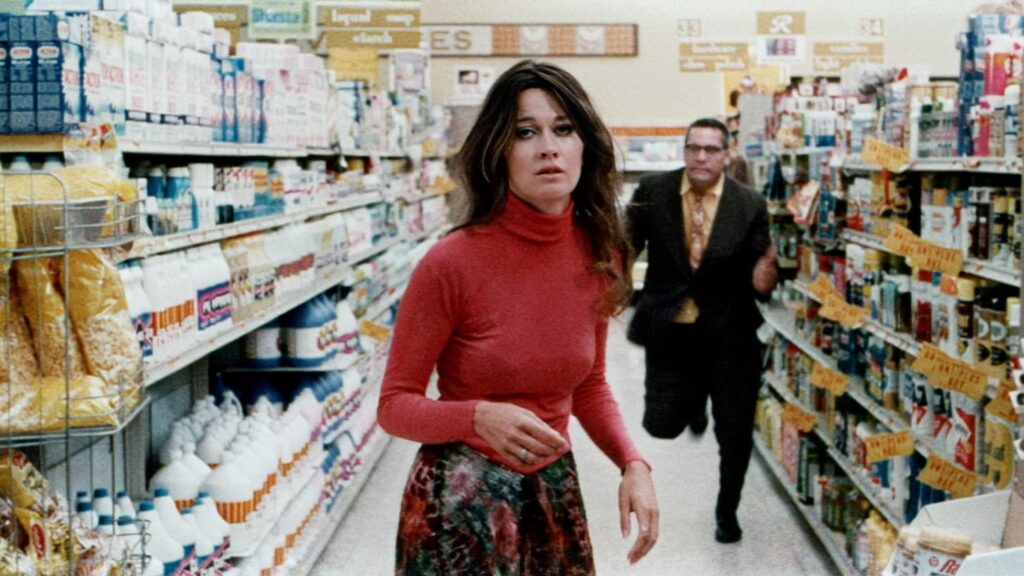
Messiah of Evil is the standout of the night and one of the strangest films ever featured on The Last Drive-In. Directed by Willard Huyck and Gloria Katz, the film plays like a waking nightmare. The story follows a woman searching for her missing father in a sleepy coastal town that slowly reveals itself to be infected with something ancient and monstrous.
What makes the film work is its atmosphere. Scenes unfold like fragmented dreams rather than traditional narrative beats. The famous supermarket sequence and the deserted movie theater attack are genuinely unsettling even decades later. It is horror built on dread rather than shock, and it still holds up.
Joe Bob’s commentary helped contextualize the film’s unusual production history and why it fell into obscurity for years before being rediscovered by cult film fans.
The Last Horror Film Is Chaotic Meta Horror
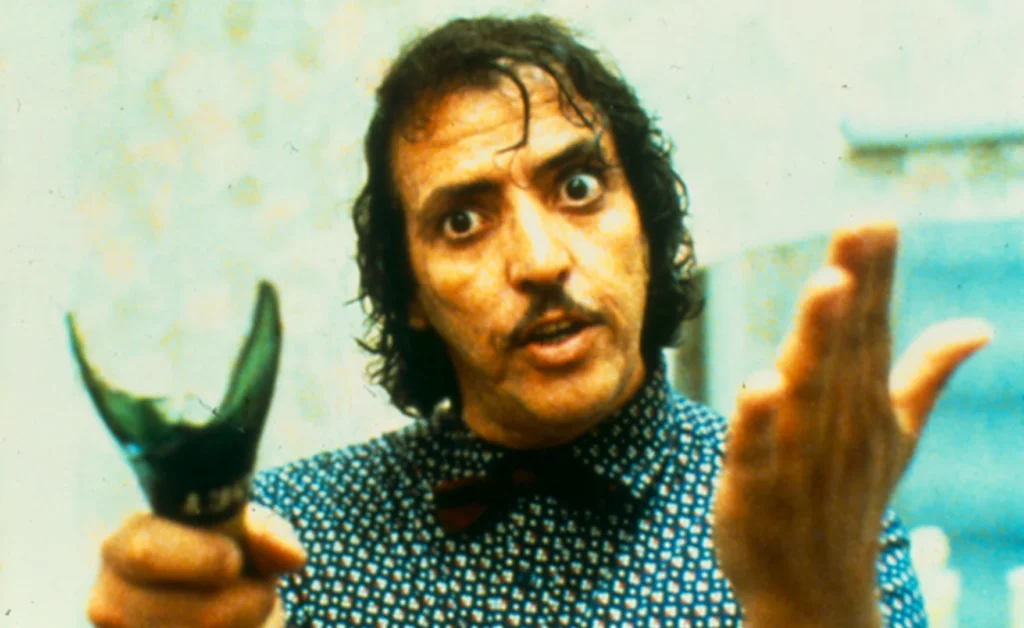
If Messiah of Evil is dreamlike and moody, The Last Horror Film is the complete opposite. The 1982 cult oddity stars Joe Spinell as a taxi driver obsessed with making his own horror movie. What follows is a bizarre blend of slasher tropes, dark comedy, and guerrilla filmmaking shot around the Cannes Film Festival.
The movie is messy and occasionally ridiculous, but Spinell’s performance holds it together. He plays the character with an unsettling mix of vulnerability and menace that makes the film feel uncomfortable in the best way. It is not polished, but it is undeniably unique.
Watching it through the Last Drive-In lens helps. Joe Bob dug into the film’s strange production and its relationship with the earlier cult hit Maniac, while Darcy brought the energy needed to keep the episode moving. On its own, the movie can be a rough watch. In this format, it becomes a fascinating curiosity.
All Good Things Must Come To An End
Shudder unceremoniously announced before the airing of the episode that it would in fact be the series finale, not the season finale as many had hoped.
The episode was leaning heavy into the nostalgia, and while Shudder has commissioned four specials to air in 2026. It looks like we’ll be without The Last Drive-In until they find a new home.
Still, as someone who came on board with the show from the very beginning. The community has been a big part of why this show has been such a draw for people; and why many show up to the jamborees every year. This series finale celebrated the show. However, more importantly, the community (the Mutant Family) that helped turn what was supposed to be a one-off special into an 8-year-long celebration of horror.
Conclusion
This episode works because of its contrast. Messiah of Evil delivers eerie atmosphere and genuinely memorable horror imagery. While The Last Horror Film provides scrappy cult movie chaos. They are wildly different experiences, but together they show just how strange and varied horror cinema can be.
It is not the most polished double feature the show has ever delivered, but it is one of the more interesting ones. It leaned into why many people loved this show. Nights like this are a reminder of why The Last Drive-In matters for horror fans; it shines a spotlight on the various corners of the genre that might otherwise be forgotten.
But as we all know, the Drive-In, indeed, will never die.
For more Reviews, make sure to check back to That Hashtag Show.

![Open Guillermo del Toro’s Cabinet of Curiosities To Get In The Halloween Spirit [Review]](http://18.211.146.234/wp-content/uploads/2022/10/project_20221024_1741115-01-440x264.png)
 That Hashtag Show
