

While there are certainly moments of our youth that we look back on with fondness, moments where we felt othered by one person or another stick out just as sharply. No matter what rung of the social ladder you occupied in earlier years, adulthood reveals new facets to both the best and worst of times. The latter is grist for the mill that is writer/director Charlie Polinger’s The Plague; a picture that is sure to trigger anxiety for former bullies and bullied kids alike.
Brought into the fold through the viewpoint of Ben (Everett Blunck), The Plague explores a slice of life at a water polo camp in 2003. After being picked on for something as simple as pronunciation, our protagonist sits squarely between the haves and the have-nots, suffering from social wounds.
As bully/ringleader Jake (Kayo Martin) proclaims Ben’s friendship with outcast Eli (Kenny Rasmussen) has infected him with “the plague,” those problems eventually begin to manifest physically. That’s not to say that there are any supernatural elements, like curses and creatures, present. The Plague plays like a grounded body horror-adjacent thriller, where the true monster is all too human.
Classically Childish Cruelty Is Given Horrifying New Life In The Plague
One of the reasons Charlie Polinger’s film works so well is the fact that it doesn’t sensationalize the tale it’s telling. Plenty of stories in this subgenre exist across the spectrum of spectacle, frequently turning child bullying into something more “cinematic.” That’s not so this time out, as The Plague is a very grounded – yet truly unnerving – look into this watershed experience.
Case in point: there’s one scene where something as innocuous as the announcement of a camp dance is depicted with liminal visuals akin to how Stanley Kubrick showed off The Overlook Hotel in The Shining. Empty space, and a sting from Johan Lenox’s score, fill what looks like a typical school hallway with the same sort of dread that any creature or spectre could conjure.
The stakes are never overblown, focusing on an all too relatable story of trying to fit in, deciding when (and who) to show kindness. While “the plague” could easily be explained through teen hormones or prolonged exposure to chlorinated water, the overriding sense of irrational mob rule pushes The Plague towards its terrifying dissonance. Watching the stakes progressively rise, you’ll find it hard to look away – even during select moments of bloodletting.
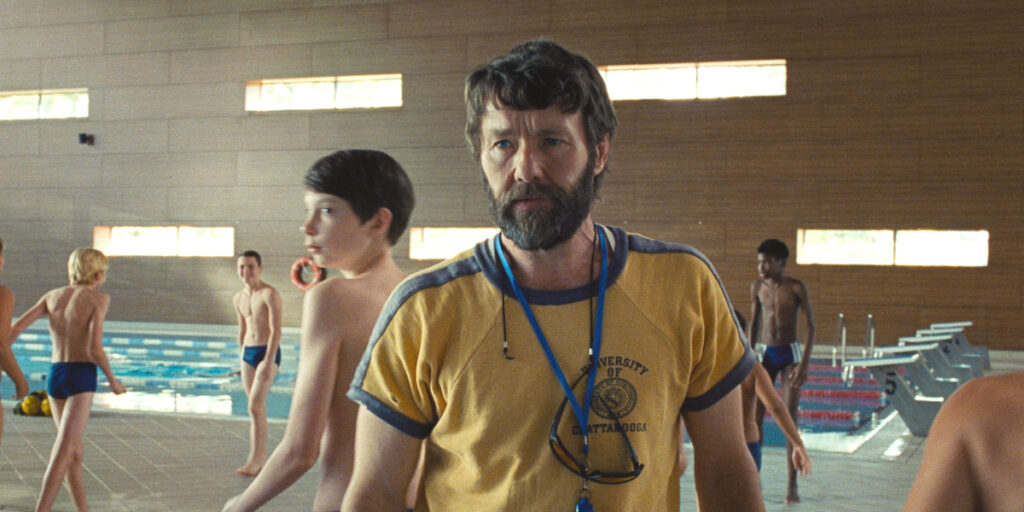
The Plague‘s Talented Young Cast Carries The Day, Anchored By Joel Edgerton’s Supporting Turn
The universal setting of The Plague’s downward spiral into madness helps lock the audience into the unfolding narrative. That identifiable nature also extends to the cast of young boys that we see carrying the story forward, as our supposed heroes and villains.
At the heart is the kinship between fellow outcasts Ben and Eli; which sees respective actors Everett Blunck and Kenny Rasmussen bonding together with reluctance. For Blunck, the desire to fit in holds his character back; while Rasmussen’s loner is afraid to lump anyone else into his lot. The push and pull of this story leads to increased social pressure, and ultimately instances of violence and in some cases self harm – all presented unflinchingly to the audience.
Stoking the fires throughout is Kayo Martin’s Jake, who portrays youthful instigation in such a way that you’re going to love to hate him. The shenanigans of The Plague aren’t over the top, but believably reserved – which meshes well with actor/producer Joel Edgerton’s role as team coach. Just as the story doesn’t take any shortcuts in its stakes, the performances on display are not caricatures – but rather portrayals you could recognize as people you may have grown up with.
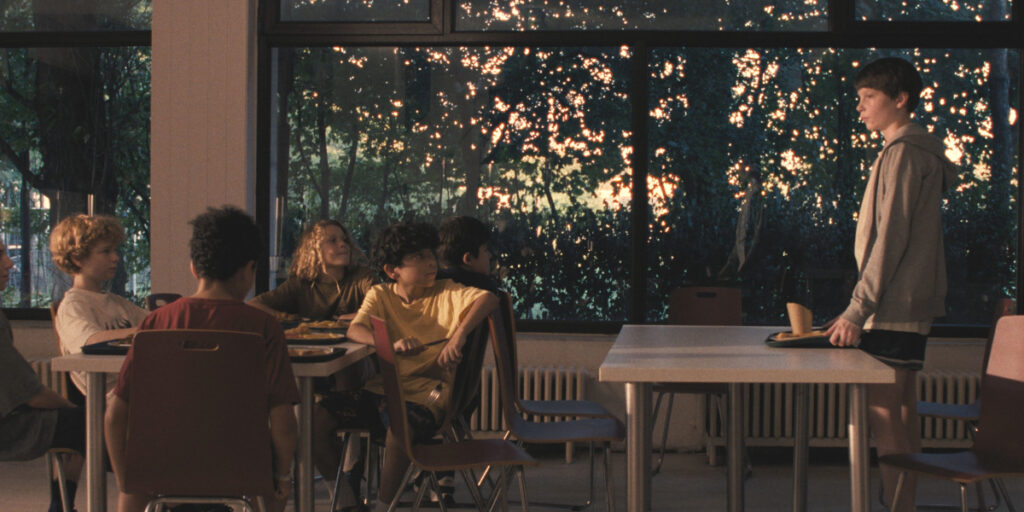
Subtle But Shocking, The Plague Masterfully Explores Peer Pressure And Bullying
Arguably, some may treat a synopsis of The Plague as the stuff of infamous afterschool specials from the ‘80s and ‘90s. That comparison couldn’t be further from the truth, as Charlie Polinger lays bare the social strata of young people without melodrama, and with age-appropriate leads. The sum total of parts on display lends a rawness that may have been more difficult to land through traditionally established leads.
Those choices strip the story of the artifices that were the hallmarks of those dramatizations you may have watched in school health classes. That choice bolsters the recommendation that The Plague should be shown to both parents and children, as it tackles the subject with the gravitas it requires. At the same time, by following its narrative of boys being boys with some levity and tenderness in the mix, the end result is a project that knows how to relieve tension while maintaining momentum to its spinning conclusion.
The Plague should appeal to anyone who wants to understand how bullies are formed. Rather than portraying such a figure as either comedic or sadistic, Polinger’s film sidesteps the fiction and drops a gripping tale that leaves plenty of room for discussion – which could very well be the primary reason such a movie like this should exist. While you may think you know how bullying works, The Plague just might change your mind – in the name of prevention.
The Plague releases in theaters on December 24th.
For more Reviews, make sure to check back to That Hashtag Show.





 That Hashtag Show
