
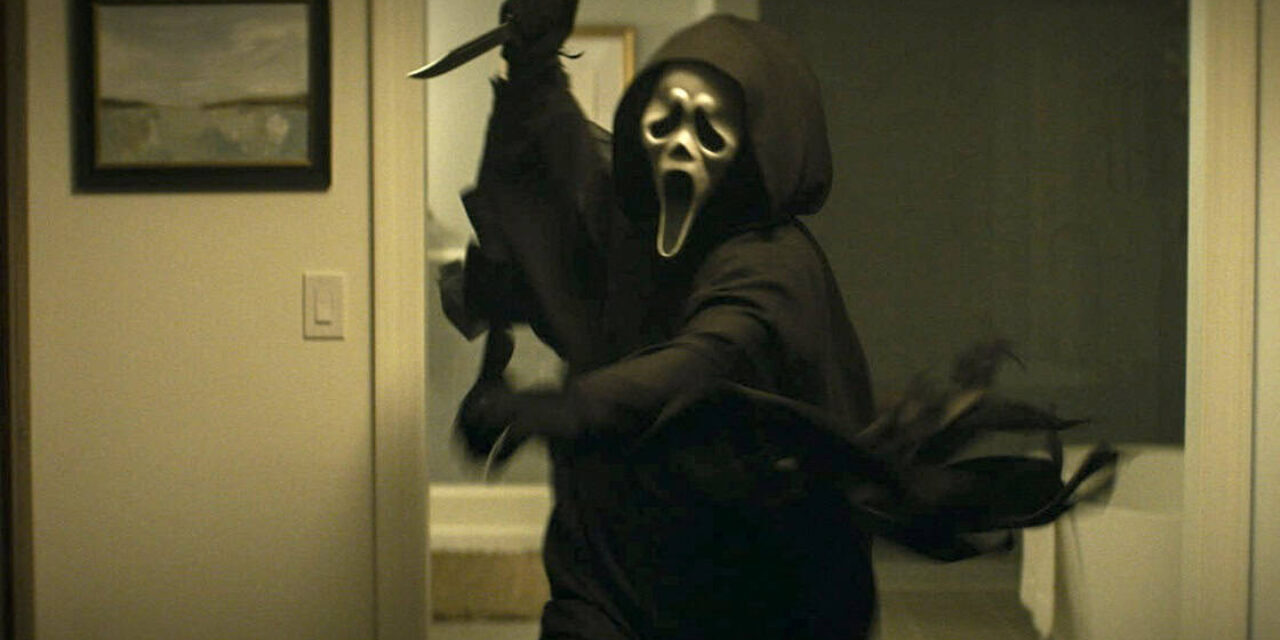
If anyone was worried that the Scream franchise would see waning interest with the release of Scream 7, those fears were thrown out of the window pretty much as soon as the weekend started. Following the film’s preview night, it had already scored record numbers for the franchise, and that was carried through the entire opening frame with the film scoring a robust $63.6 million domestic opening and a $96.7 million global start, which both represented a best for the series. Scream 7 overcame what began as a tumultuous production start that was tainted by an unjust firing, more star departures, and a fanbase that seemed to be drawing a line in the sand. However, despite everything stacked against it, this thirty-year-old franchise proved that it’s still going strong after all these years.
A record-breaking opening wasn’t always a sure thing for Scream 7. Based on the sentiment being shared on social media, it seemed as if a divided fanbase could lead to numbers that would possibly come up short from the previous installment given how that film’s star, Melissa Barrera, was fired by production company Spyglass Media Group in 2023 after she shared a series of social media posts that were deemed antisemitic after the start of the Israel-Hamas War.
The fanbase rallied hard behind Barrera, and that has only continued as Scream 7 was heading into its opening weekend, even if the original message of their support began to descend into vile social media behavior from some that included sending death threats to anyone who showed support to the seventh installment. Throw in co-star Jenna Ortega also departing and the film needing a complete creative overhaul, including cementing the return of Neve Campbell’s Sidney Prescott following a pay dispute that kept her out of Scream VI, nothing about Scream 7 seemed like a sure thing.
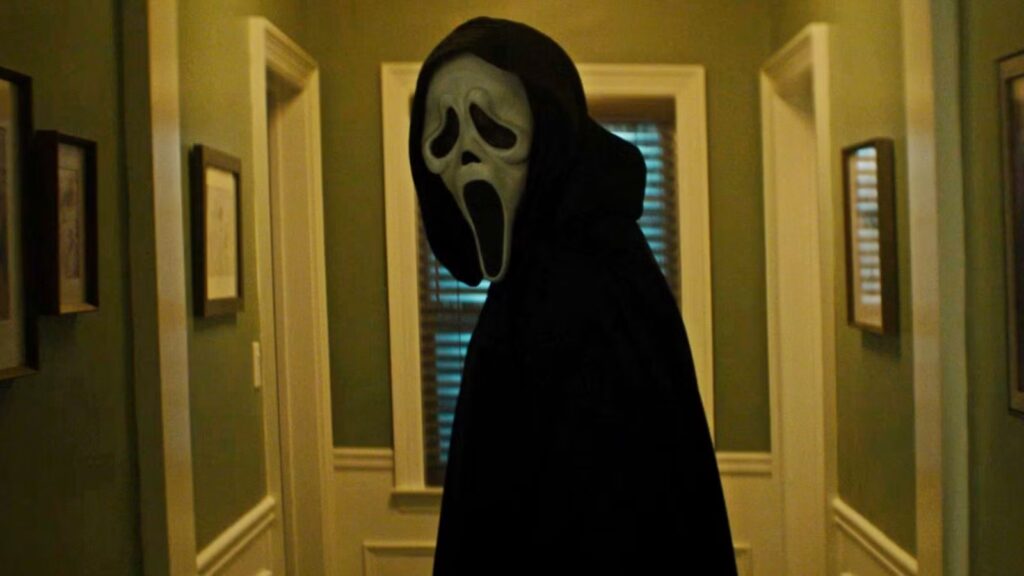
What became obvious heading into the weekend, at least based on pre-sales, is that the interest in Scream 7 was stronger than any of the social media noise. The box office tracking suggested a $30 million+ opening, which would’ve been good but far below the $44.4 million start of Scream VI. That film gave the franchise an IP-best opening weekend and signaled that the series could perform well without its main final girl, Neve Campbell. However, as trades began posting about the pre-sales for the film, it was clear that the opening was going to easily top tracking. Heading into the weekend, many suspected a $50 million+ opening was possible, and that was even with a Rotten Tomatoes score (currently 31 percent) that may have scared moviegoers away more than Ghostface ever could.
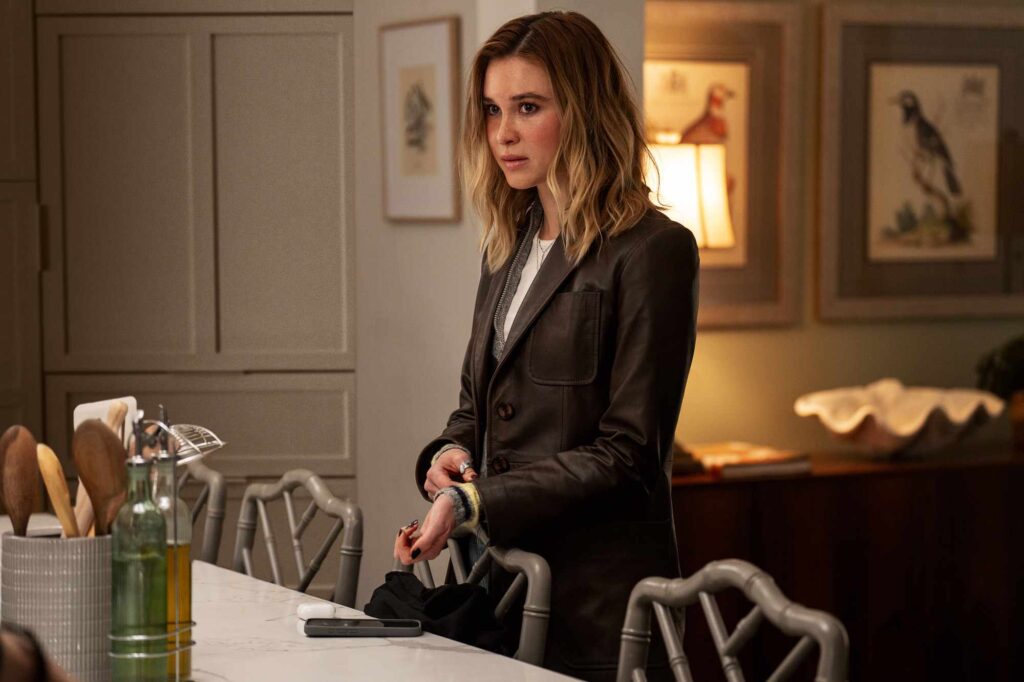
Perhaps what many underestimate about the franchise is that it isn’t just being supported by nostalgic fans who discovered the franchise when it began nearly thirty years ago, in 1996. All of the films ahead of five, following their respective theatrical runs, have been discovered, rediscovered, and reassased over the years by old and new watchers alike, while Scream (2022) and Scream VI satiated nostalgic viewers of the IP and brought in a whole new generation of fans.
According to Deadline, 77 percent of the opening weekend audience was between 18-44, which means that there was a nice spread between fans of the old guard and the new guard. When Scream (2022) approaching its release, there was some concern that Scream’s meta-influenced structure wouldn’t vibe with new watchers, but that hasn’t been the case. Scream has become a generational horror franchise in the same way Halloween, Friday the 13th, and A Nightmare on Elm Street have been able to with fans. Scream has done what all franchises hope to do, and that is continue to grow its audience in the years since it began slicing and dicing through horror movie tropes.
There is no denying that some of the new watchers of the franchise were ushered in with the films that starred Barrera and Ortega. The latter became an even bigger star by the time Scream VI opened, while the former gained favor within the franchise because she managed to make Sam Carpenter a viable and complicated lead that the audience could get behind. Following Barrera being let go, the fanbase roared loudly in her favor, and while some of the support has been postive from some, a lot of the noise became something far more detrimental.
Once it was revealed that Christopher Landon, who was originally set to direct Scream 7, received death threats from misguided fans rallying behind Barrera that also targeted his family, it was clear that the original message of support was being tainted. Also a concern was other fans on the opposite side of the aisle who turned their disdain over the aggressive reaction to her firing and turned it into an opportunity to hurl racist commentary in her direction. It was becoming ugly on all ends, but perhaps what was missing in all of this is that some of this outcry from either side didn’t represent the fanbase as a whole. It also proved that sometimes social media, which can feel so big when controversy is brewing, is actually a bubble that doesn’t always speak for the masses.
The backlash following Barrera’s firing was evident, particularly online, but Paramount Pictures did its job as a studio to refocus the energy back on the franchise itself. A part of that focus was on nostalgia, which we all know sells well with fans. Scream 7’s release was timed well with this year being the 30th anniversary of the franchise, and that was only aided by securing Campbell’s return and having the franchise’s architect, Kevin Williamson, on board to direct. Paramount Pictures spoke directly to those fans through a very targeted marketing campaign that, honestly, appeared not to be up to snuff when it first started.
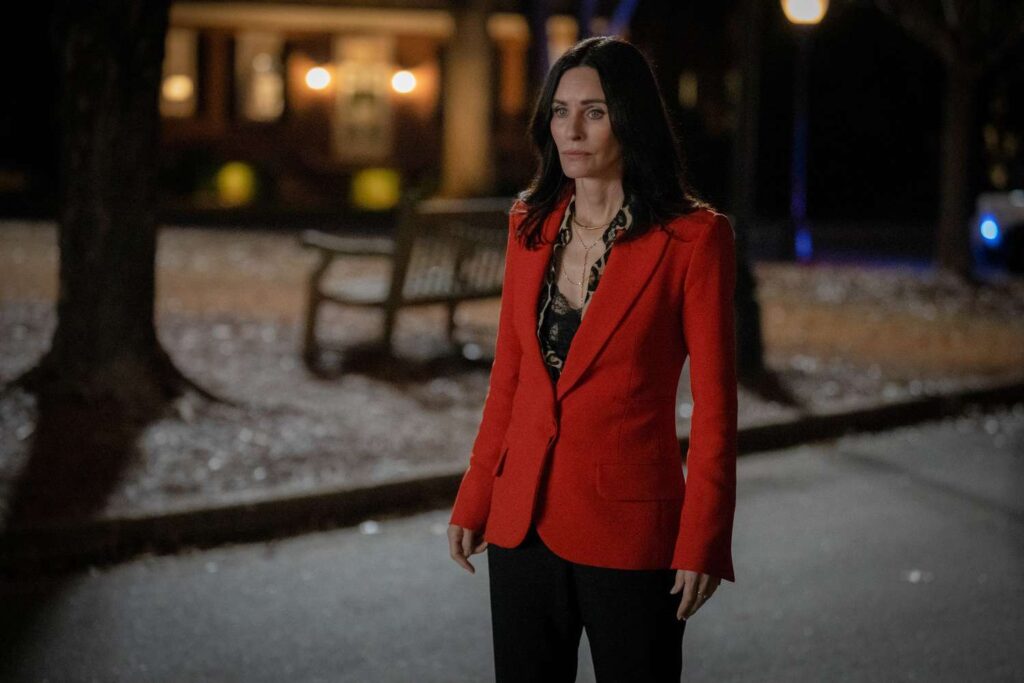
Scream 7’s official trailer was released on Oct. 30, and the reaction to it was honestly mixed at first. There were concerns it didn’t show enough to generate interest and that, following the direction of Scream VI, it felt a little too back to basics with its focus once again on Sidney Prescott being a target alongside the people she loves most. That being said, the official trailer has notched nearly 240 million global views worldwide, which proved that interest in the franchise was still there on the domestic home front and internationally.
Fans grew concerned as the release date drew closer that only one full official trailer was released. Online chatter began to spread that the film wasn’t doing enough for promotion, but right under everyone’s noses, the promotional blitz for Scream 7 was underway, albeit in a much different way compared to previous installments. Shorter TV spots were released over the last few weeks, with the biggest one being a Super Bowl spot that aired during a game that generated 125.6 million viewers. The smart move with most of these TV spots was that it was clear they didn’t show everything.
They had a sense of mystery during a time when most movies give away many plot points across three full-length trailers that make you feel like you’ve seen the movie already. The primary focus throughout all the marketing was this link between the events that started it all in 1996 and Sidney Prescott having to watch as her daughter Tatum (Isabel May) began to be a direct target at the very age she was when Ghostface first entered the scene.
Campbell’s return was far more crucial than some people may want to admit. After Scream VI performed so well without her participation, it seemed to signal that the franchise didn’t need her and could survive without her. There is actually a lot of truth to this, and Paramount and Spyglass Media were likely happy that Scream could be bigger than its main star, who appeared in all of the films up to that point but this is a situation where two things could be true at once. Scream, as a brand, can survive without Campbell, but it also can benefit from her triumphant return.
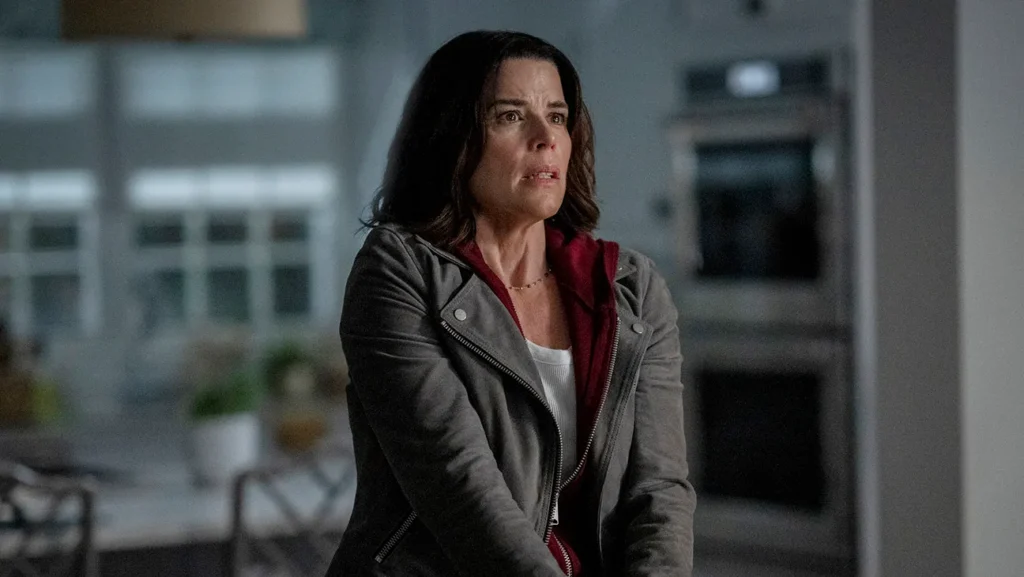
The underperformance of Scream 4 suggested that a Sidney-centric story was probably beyond its expiration date and that frequently bringing back most likely wouldn’t generate too much interest. The point that was missing with that assertion was that a lot had changed in the marketplace since 2011. Nostalgia and legacy sequels have become far bigger in the years since the release of Scream 4, so marketing a new film around a certain return from the past can lead to more money being made at the box office.
Speaking strictly about horror films, this was proven in 2018 when Jamie Lee Curtis returned to the Halloween franchise and helped turn that into a $259 worldwide earner on a $10 million budget. There’s a reason why fans say Campbell is to Scream in the same way that Curtis is to Halloween. They both have earned the goodwill of the fans over the years, and their support has proven to be stronger than any negativity that could come their way. Ghostface might be the face of Scream, but Campbell is just as crucial because every Ghostface needs a capable protagonist to go up against, and Campbell’s Sidney Prescott remains their fan favorite.
Scream 7 played to the growing audience in a way that satisfied them. It brought in new blood that could be the future of the franchise (Isabel May’s Tatum). Appealed to those who found something to love about the new characters introduced in Scream (2022) and Scream VI (the return of Mason Gooding and Jasmin Savoy Brown’s Chad and Mindy), and made sure that Sidney was joined by another franchise stalwart in Courteney Cox’s Gale Weathers.
Let’s make it clear that Cox’s involvement is also important to the fans because she’s the only person to appear in all seven films so far. She may not be the franchise’s lead, but her various character arcs across the films have made her a big hit with the fanbase that continues to be celebrated. Her BIG entrance in Scream 7 generated huge applause at my packed screening, and that reaction has only been shared by others from their viewings. There’s a lot in this Scream secret sauce, and the creatives, along with the studio, have seemed to find it.
So, what about the film’s negative reviews? For a moment, it seemed like that would cause the rest of the weekend to stabilize with grosses that may not break records, but fans saw through some of the critcisms. While certain negative reviews kept their focus on their opinions of the film’s quality, others had a more personal bias that found its way back to Barrera, her firing, and the #FreePalestine movement. Let’s be clear: there is nothing wrong with having opinions on this matter and voicing them, but it shouldn’t be surprising if it becomes obvious to others that reviews were less about the film and more about making a more pointed statement.
Personally, I know several people who read reviews that leaned in that direction, and it only made them want to see the film more. In addition to some of those reviews including references to Barrera rather than focusing their critiques on the film itself, others seemed to want to make fans feel guilty for supporting the film based on this. Seeing Scream 7 does not mean you support genocide. No matter how much this narrative is pushed. Oddly enough, those who wanted to boycott the film (which is their right) only seemed to put even more interest behind Scream 7 and only made it a focal point. In some ways, this became its own form of publicity.
Even if Scream 7 sees the typical horror movie drop that affects most genre films, it’s still poised to become the most successful installment of the franchise to date. Reports suggest that ideas are already floating around for a Scream 8, and it makes perfect since that the studio would want to keep this IP going. For a franchise that some reviews suggested was done and should be put to bed, its blade is still sharp.
Scream 7 is now playing in theaters nationwide.
For more on Movies, make sure to check back to That Hashtag Show.




 That Hashtag Show
